
The “Blood Test” for Plants: Why We Use Sap Analysis to Grow Better Veggies
How we measure plant nutrition from the inside out — and why it leads to stronger plants, tastier produce, and healthier food for you.
This week, we welcomed Katie from Nutrien Ag to our farm for a special kind of check-up — not for us, but for our plants. Armed with clippers, sample bags, and a cooler, she took tissue samples from our tomatoes, kale, and watermelons to perform what’s known as a sap analysis.
Think of sap analysis like a blood test for plants. Just like your doctor might draw blood to check your vitamin levels, we’re drawing sap from plant tissues to see what micronutrients the plant is actually absorbing from the soil. It gives us a real-time snapshot of plant health — something every farmer wishes they could see more clearly.
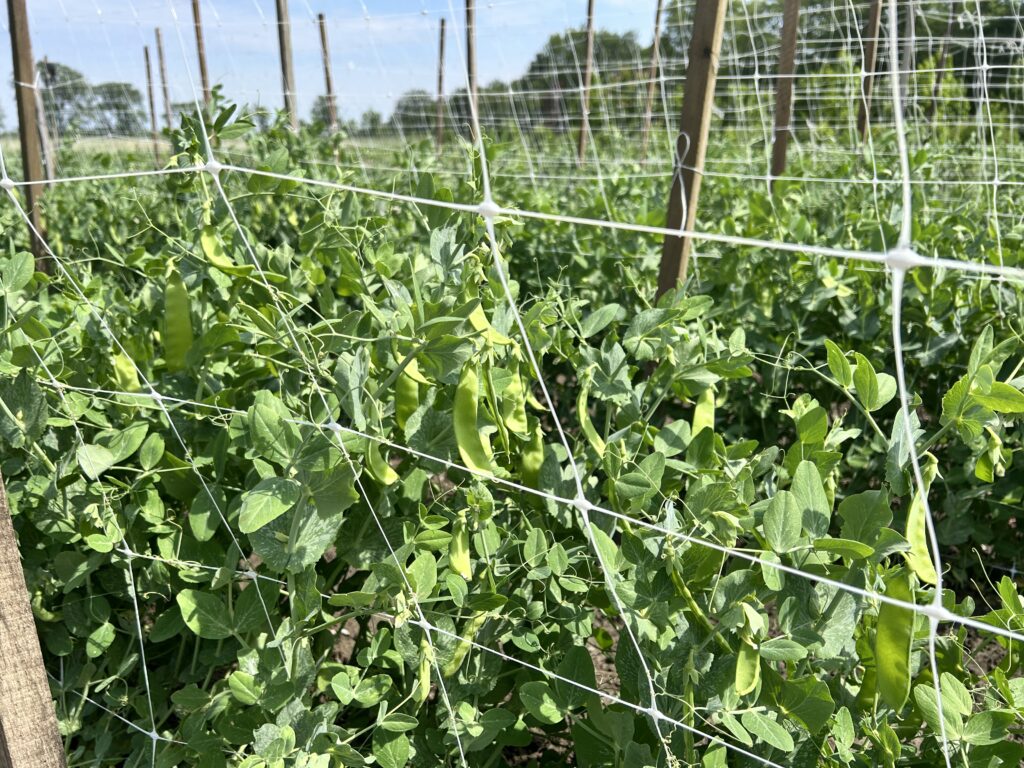
Why Do a Sap Analysis?
You might be wondering: Why test the plant when we could just test the soil? Well, while soil tests tell us what nutrients are present in the ground, sap analysis tells us what nutrients are actually getting into the plant. And that’s a critical distinction.
A plant might be standing in a soil that’s full of calcium, but that doesn’t guarantee the plant is able to absorb and use that calcium. There could be other limiting factors — like pH, compaction, biological activity, or imbalances with other nutrients. Sap analysis shows us what’s really going on inside the plant’s system.
We test for nutrients like:
-
Calcium
-
Potassium
-
Magnesium
-
Manganese
-
Phosphorus
-
Nitrogen
-
Zinc
-
Boron
-
Cobalt
-
Molybdenum
When the test results come back, we’ll be able to see where each nutrient falls — too low, too high, or just right — and make decisions accordingly.
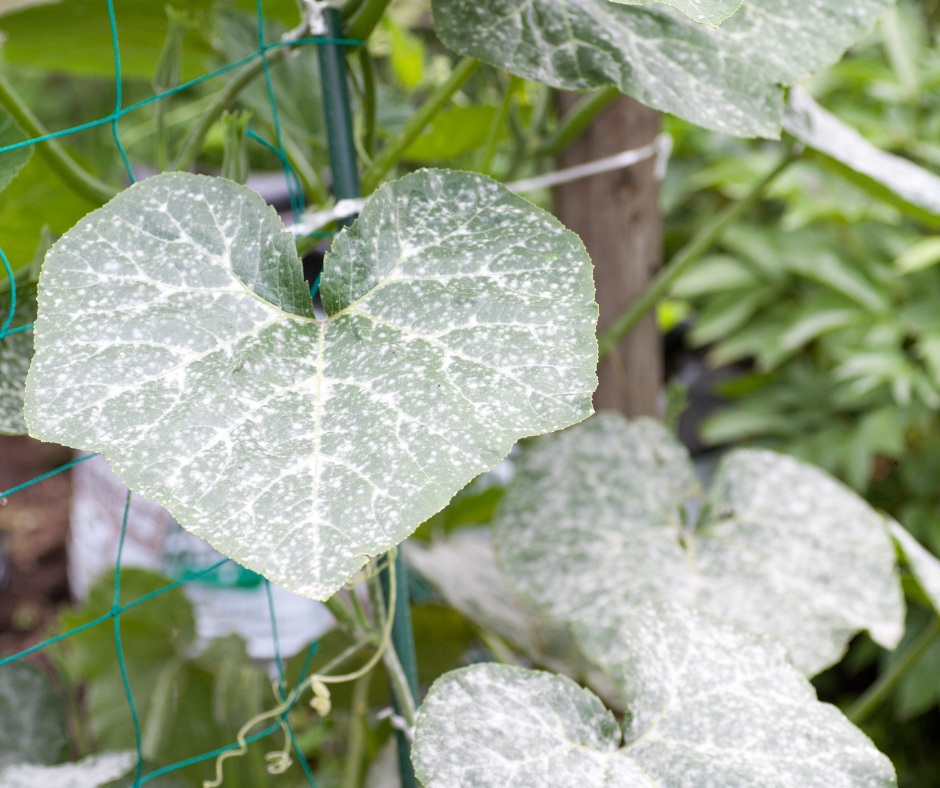
It’s well established that powdery mildew in cucurbit crops is primarily driven by a manganese deficiency. Yet dry matter-based tissue testing never shows resistant crops as having higher manganese levels or infected crops as having less. Only when farmers switch to plant sap analysis will you see an accurate correlation between powdery mildew and manganese.
Stronger Plants = Better Food
When a plant is well-nourished, it doesn’t just grow — it thrives. A healthy, balanced plant is more resistant to disease, has stronger cell walls, and produces better-tasting, more nutrient-dense food. That’s good news for us farmers — and even better news for you, our customers.
The flavor difference between a grocery store carrot and a farm carrot? That’s not just in your head. It’s a reflection of nutrient density — the actual vitamins, minerals, and phytonutrients inside the food. And yes, your body can tell the difference.
How We Respond to Sap Test Results
Once we receive the results, Farmer Kurt becomes “Dr. Kurt.” Based on what the plants are telling us, we can respond in a few key ways:
-
Foliar sprays – Organic mineral compounds are mixed with water and sprayed directly onto the leaves, allowing fast absorption.
-
Fertigation – Nutrients are fed through our drip irrigation system, right to the roots.
-
Manure or compost applications – These add organic matter and replenish depleted minerals.
-
Cover crops – One of our favorite long-term tools. For example, if our boron levels come back low, we might plant buckwheat, a cover crop known for reaching deep into the soil and pulling up boron to make it more available for the next crop.
-
Crop rotation and rest – Letting a field take a break or switching up crops helps prevent mineral depletion and promotes balance in the soil’s ecosystem.
We repeat sap analysis three times per season — during the vegetative stage, during bloom, and again during fruiting — to monitor how our plants are metabolizing nutrients as they grow. This lets us fine-tune our care, rather than just guessing.

Why This Matters to You
The sad reality is that much of the food found in today’s grocery stores is losing its nutritional value. Over-farmed soils, synthetic inputs, and a focus on yield over quality have left our modern food system nutrient-poor — even if the produce still looks perfect on the outside.
At our farm, we’re committed to growing food differently.
That’s why we’re certified organic. Why we do things like sap analysis. Why we invest in regenerative practices and soil health. Because we believe that food should nourish — not just fill. And that starts with the soil.
So when you bite into our watermelon or sauté our kale or slice into one of our heirloom tomatoes, we want you to know that you’re not just eating something fresh and local — you’re eating something truly alive with minerals, flavor, and vitality.
We’ll share more soon when our sap results come back! Until then, just know that behind the scenes, we’re always working to make sure your food is the best it can be — from the inside out.