
Welcome to My Gut Healing Resource Page
How I Healed My Gut (And How You Can Too)
Hi, I’m Corinna Bench. Two years ago, I found myself in the middle of a frustrating health mystery, dealing with a cascade of gut symptoms that no doctor could fully explain or fix. After months of searching for answers, I decided to take matters into my own hands and began experimenting with food.
What I discovered changed everything: by removing certain foods and nourishing my body the right way, I was able to heal. Now, I’m on a mission to help others find their unique path.
This page is a curated resource of the products, tools, and ingredients that supported my journey — and although I believe everyone’s story is unique to them, I also believe there is power in giving someone a place to start as you take back control of your health. Your body was designed to heal itself, and with the right inputs, mindset, and persistence, you can dramatically improve your condition.
I hope I can serve as a “breadcrumb” in your path to healing. Don’t give up! I believe in you.
As an Amazon Associate, I earn from qualifying purchases. Thank you.
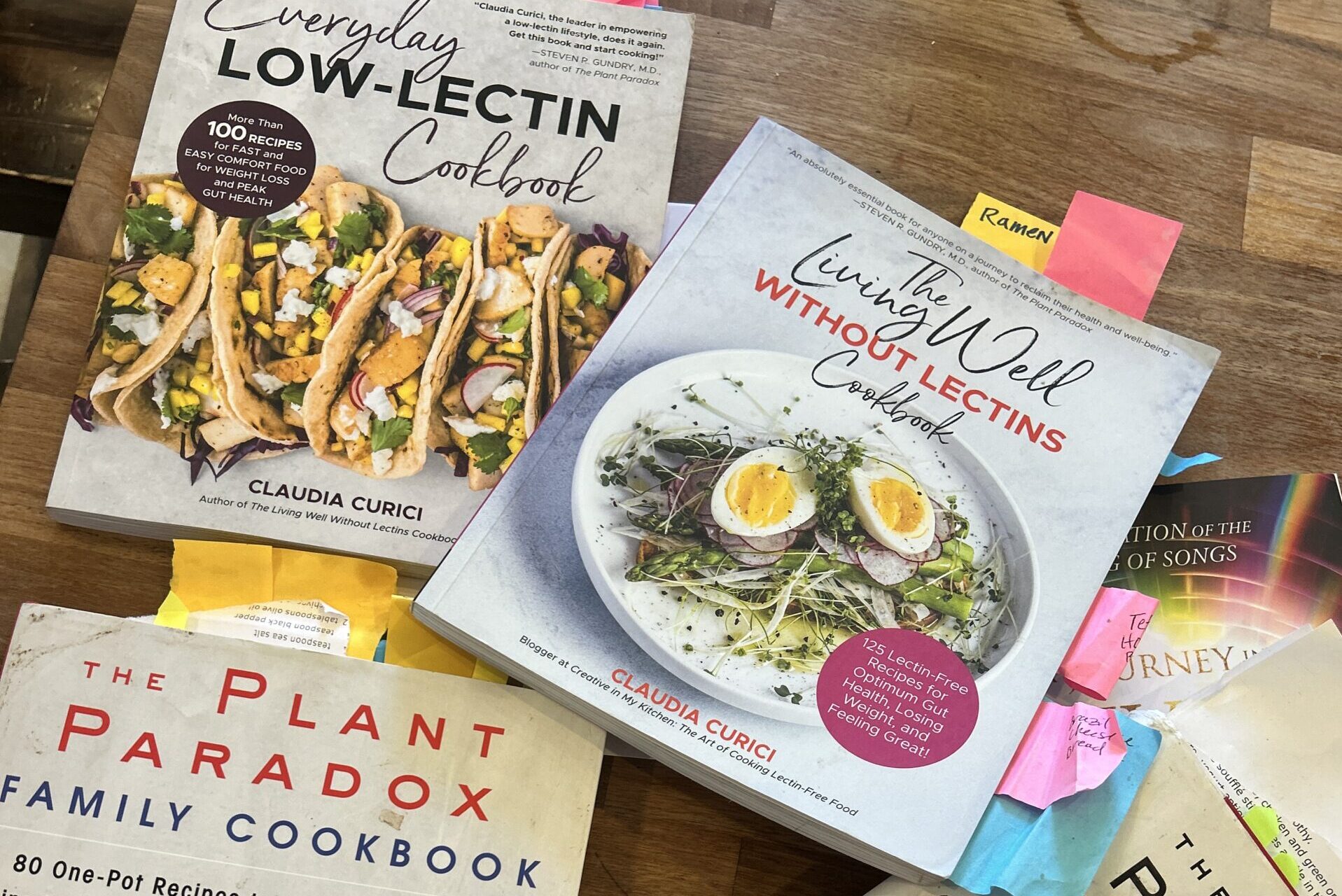
Favorite Gut Healing Resources & Cookbooks
These resources were instrumental guides for my own journey. It starts with educating yourself.
The Plant Paradox by Dr. Stephen Gundry — this is the book that unlocked my healing. It explains what leaky gut is, the role of diet and lectins in our health, and offers a path forward to healing.
Dr. Gundry’s YES/NO Food List. If you’re going to test out the Plant Paradox way of eating, you’ll want to have this! It lists all the foods you have to cut out, and which ones you can keep. Dr. Gundry keeps this list updated on his blog. Print it out.
The Plant Paradox Cookbook by Dr. Steven Gundry — the foundational guide straight from the source.
The Living Well Without Lectins Cookbook: 100 Lectin-Free Recipes for Optimum Gut Health, Losing Weight, and Feeling Great by Claudia Curici
Everyday Low-Lectin Cookbook: More than 100 Recipes for Fast and Easy Comfort Food for Weight Loss and Peak Gut Health by Claudia Curici
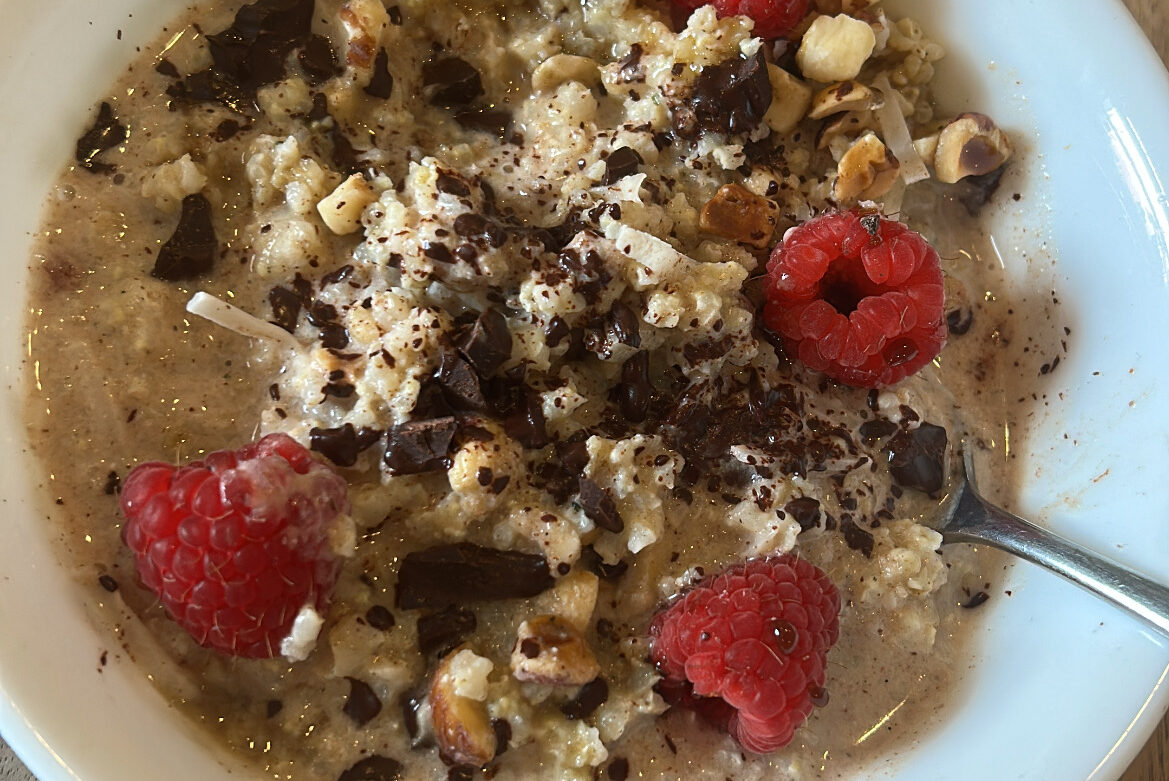
Lectin Free Substitutes for Grains
I used to eat a lot of potatoes, couscous, quinoa, pasta, oatmeal, grits, and bread! I was devastated when I could no longer eat them. Finding new comfort foods was a journey, but these staples brought satisfaction back to my plate.
Cauliflower Rice or Mashed Steamed Cauliflower – My go-to for bowls or side dishes. I steam or sauté it often. To rice cauliflower, just pulse it in your food processor.
Basmati White Rice – rice has lectins, but they can be removed by rinsing and pressure-cooking. Still, make sure it’s white basmati rice (ideally from India), and don’t overdo it! It can spike your blood sugar.
Sorghum & Millet – My grain stand-ins. I rinse them well, and then cook them in the Instant Pot to remove their lectins.
Fonio – My favorite porridge base. Warm, comforting, and lectin-free. I love it more than millet!
Sorghum or Millet Noodles (or Shirataki Noodles) – A fantastic pasta replacement. You can even find RAMEN versions of these noodles that taste just like the real thing.
Palmini Hearts of Palm Noodles – Linguini or lasagna noodles. These taste surprisingly close to pasta. I love them with olive oil, salt, and herbs. I find them in my Meijer grocery store in the pasta aisle
Sweet Potatoes – Great mashed or baked. I also make my own sweet potato crackers — perfect with almond cream cheese! If you have kidney stones, don’t eat too many of these, as they are a high-oxalate food.
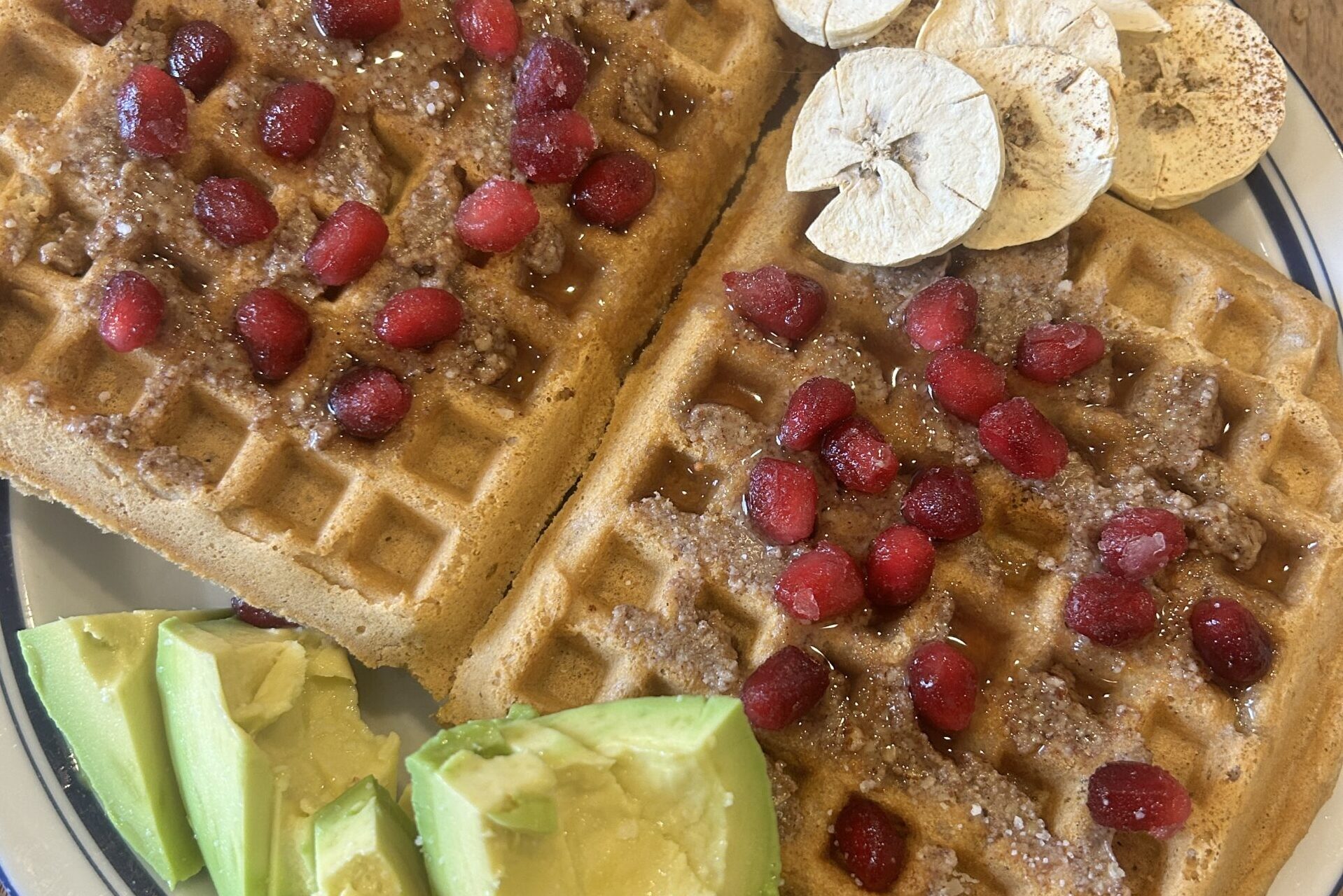
Lectin Free Flours & Baking
Swapping out traditional flours opened a whole new world of baking possibilities.
Cassava Flour – My #1 baking staple. Great texture and mild flavor. I use this for my waffle recipe.
Coconut Flour – For moisture and density in muffins or pancakes. You’ll find this in the baking aisle at every store.
Chestnut Flour – Yes, this is real. It has a great sweet taste. I source mine locally from a chestnut farm in Ohio, which I’ll link up here.
Arrowroot Flour/Starch / Tapioca Flour – Adds elasticity in baked goods. These are interchangeable in recipes.
Tiger Nut Flour – My secret ingredient for granola and cookies.
Tiger Nuts – Crunchy and slightly sweet. These are a tuber that your gut buddies love. I use them in my granola recipe in place of oats.
Almond Flour (from blanched almonds) — this is used alot in baking recipes. Just make sure they come from blanched almonds to keep it lectin free.
Dark Chocolate – I use 100% and then sweeten the meal with some allulose
What can I eat while I’m
healing my gut?!
Farmer Corinna’s Go-To Shopping List of Gut Healing Foods
My curated list of gut-friendly pantry staples, smart food swaps, and clean-eating tips that helped me transform my gut health and radically heal my digestion.
This is the resource I wish I’d had on Day 1 of my gut-healing journey. And now, I’m handing it to you.
Subscribe to my email list below, and I’ll send it straight to your inbox. It’s all the links on this page and THEN some!
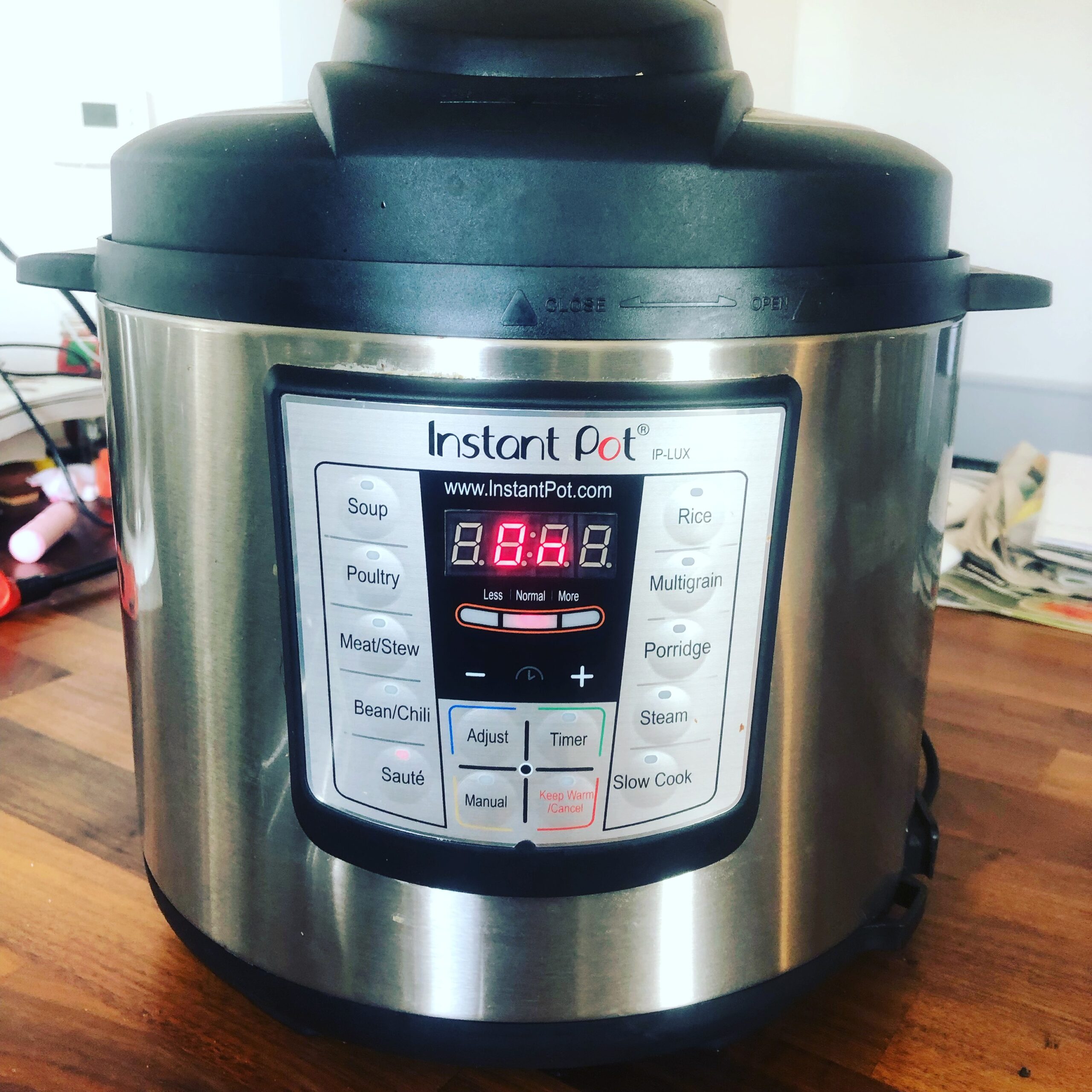
Lectin-Free Kitchen Tools
The Instant Pot – This is a must. A lot of your beloved “NO” foods open up again if you’re willing to learn how to pressure cook them. This tool is a workhorse in my kitchen. It’s a valuable investment for around $100.
Food Processor – I use this at least every other day for things like shredding roots and yams for “vegetable latkes,” to shred cabbage for DIY cole slaw, and for making homemade nut butter (which is the best thing ever). Meal prep on the Plant Paradox diet is more intensive durine the learning phase — and I welcome tools like this one that make batch-prep work easier.
Instant Pot 101 Video Training – Not sure how to use an Instant Pot? I got you covered! Binge my YouTube playlist all about the Instant Pot. I show you exactly how to use this tool, step by step, so you lose your fear of the pressure cooker.
Lectin Free Pantry Staples
Avocado Oil – my go-to cooking oil. It’s lectin free, and it doesn’t oxidize at high heats. Nice, clean flavor. Get a big bottle. You’ll use it a lot. I also like having a spray version.
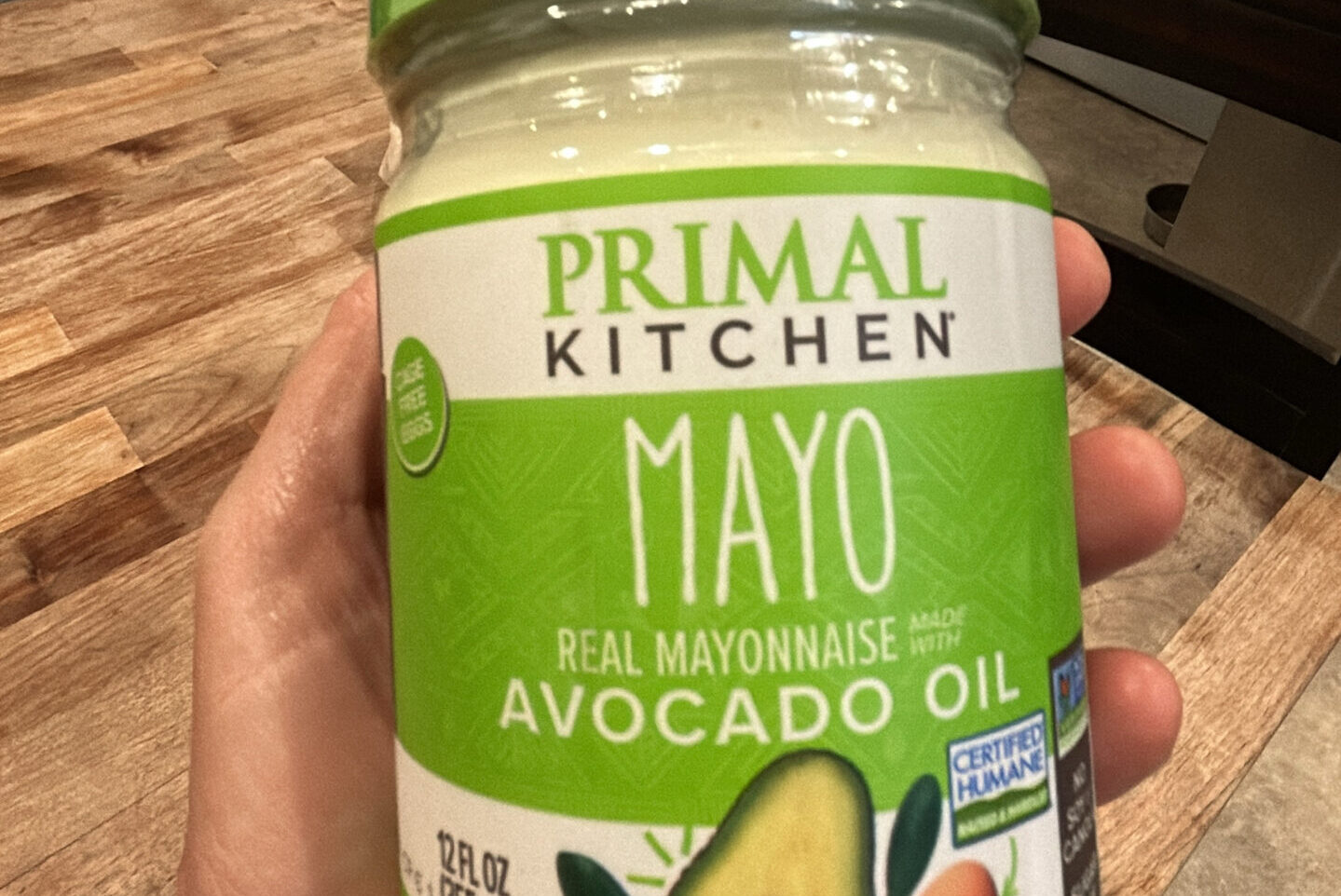
Avocado Mayo – This tastes like mayo, but without the bad seed oils. Primal Kitchen also makes a good version.
Ghee – A great cooking fat. It doesn’t oxidize under heat and adds rich flavor. Make sure this is grass-fed! SUPER important. You can find it at Walmart or Aldis or Meijer, too. If you have high LDL cholesterol, you’ll want to minimize the use of this fat.
Hemp Hearts (aka Hemp Seeds) – I make hemp milk weekly. Great protein source and super creamy.
Basil Seeds — Just like chia seeds!! Same great fiber and thickening ability, but without the lectins.
Nori Sheets – For veggie sushi rolls — one of my favorite quick lunches. These are at the grocery store in the International aisle.
Coconut Aminos – this adds umami to so many things. I use it in place of soy sauce in Asian dishes, and as a sub for Worcestershire sauce.
Coconut milk – This is a great alternative to cow’s milk in baking. (Cow’s milk has a protein called Casein A1 which is a lectin). Look for brands that don’t have added stabilizers or guar gum. Trader Joe’s also carries a great coconut milk and cream.
Mooala Almond Milk – I love this gum-free almond milk! You can find it at Meijer sometimes.
Lectin Free Sweeteners
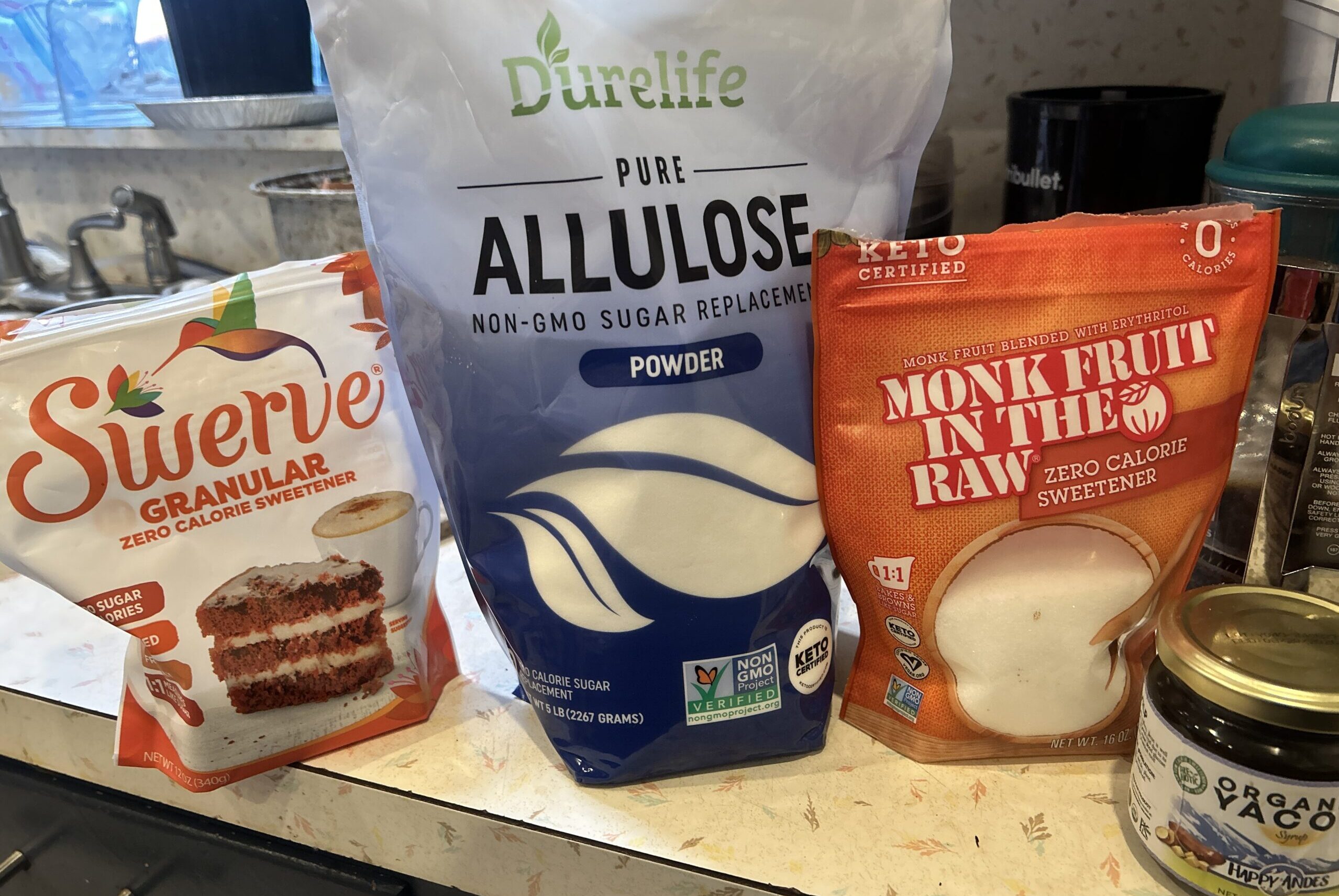
I do sometimes sweeten my coffee, tea, or granola with these — and of course I use these in baking.
MonkFruit – made with erythritol, which has a bit of a cooling effect when eaten.
Swerve – My go-to natural sweetener, You can find these in the grocery baking aisle. There is also a brown sugar and a powdered sugar variety.
Allulose – I use this when I’m baking. It’s a great prebiotic fiber.
Maple Syrup Sub– Lectin-free syrup for cassava flour waffles or pancakes. Or anywhere you need maple syrup flavor.
Read My Gut Healing Blog
I’m finally telling my gut healing story.
I’ve got a lot to say, and it’s still a work in progress. Every few weeks, I drop another chapter onto my blog. If you’d like to see where it all began, click below and I’ll take you to chapter one.
READ CHAPTER 1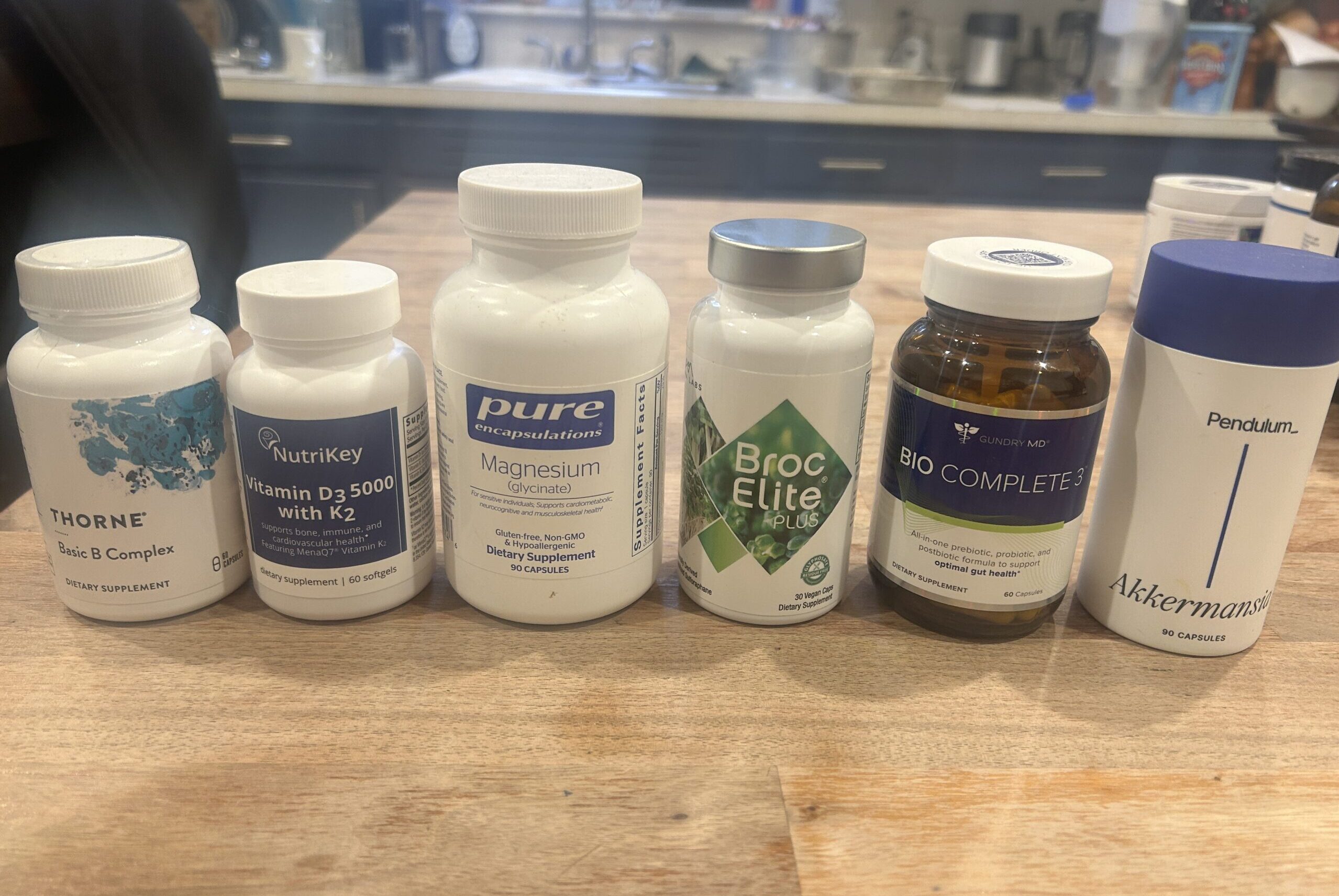
My Current Supplements:
I’ve taken a lot of different supplements at various points in my healing journey. They are constantly in flux, based on my personalized needs. Please check with a physician before you take any supplement! Some of them can react with your medications or have side effects! Be safe!
PROTEIN SUPPORT: Collagen Peptides and Creatine. One scoop of each, added to my morning drink for joint and gut support.
PROBIOTICS: Dr Gundry’s Bio-Complete 3 and Pendulum Akkermansia — 1 pill every day with food. When you’re healing your gut, part of the “restore” phase is to rebuild your microbiome population. That involves seeding your gut with probiotics.
Magnesium Citrate – (350-500 mg) This form of magnesium helps ease constipation — something I struggled with when I changed my diet. There are other forms of magnesium like glycinate or threonate you can also try. I take mine before bed because it makes me tired.
Vitamin D3/K for immune support and gut health. This is worth testing ,to see if you are deficient. Many people are VERY low in Vitamin D levels, and this is apparently a super important catalyst in a lot of our body’s healing processes. Once my D blood levels had stabilized, I backed down to 5000 IUDs per day. Make sure you are getting a blood test for Vitamin D every 3-6 months.
BrocElite – this contains sulforaphane, and is helpful for liver support. It also supports the “tight junctions” of your gut wall, and counteracts “leaky gut.” I take this 10 minutes before breakfast every other day.
Fish Oil (Omega 3) for its anti-inflammatory benefits and brain health.
B-Vitamins — I use Dr. Gundry’s Vital Reds drink every day because it gets all my B-vitamins AND polyphenols. I mix a scoop of this into some sparkling Pellegrino water, and it’s my “fancy” drink of the day.