
Meet the Aronia Berry: The Tiny Superfruit Growing on Our Farm
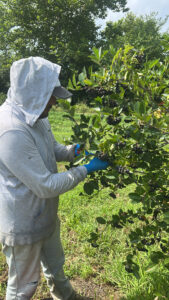
 If you’ve never heard of aronia berries, you’re not alone. This unusual fruit isn’t something you’ll find piled high in your local grocery store — but here on our farm, we’ve been quietly tending eight bushes for several years. And right now, they’re ripe and ready to harvest.
We’ll have a very limited supply available in our online store this week. Most of our crop is sold wholesale to a local winery — but more on that in a minute. First, let’s dive into what makes this berry so special.
What Are Aronia Berries?
Aronia berries (Aronia melanocarpa), sometimes called chokeberries, are small, dark purple fruits native to North America. They grow in clusters, much like elderberries, and are prized for their incredibly high antioxidant content — in fact, they’re often ranked among the most antioxidant-rich foods in the world.
They’ve been used for centuries by Indigenous peoples for both food and medicine, and in recent years, they’ve gained a quiet following among health-conscious eaters and specialty food makers.
Flavor Profile
If you pop a fresh aronia berry into your mouth, you’ll immediately notice two things:
-
A deep, dark berry flavor that’s somewhere between a blueberry and a tart cherry.
-
A puckering astringency that dries your mouth — hence the name “chokeberry.”
This astringency comes from the berry’s high tannin content, the same compounds found in red wine and tea. In fact, eating too many raw berries at once can cause stomach discomfort, so they’re best enjoyed cooked, sweetened, or blended with other fruits. When prepared this way, their flavor mellows and their natural sweetness shines.
How to Prepare Aronia Berries
Fresh aronia berries are rarely eaten by the handful. To remove the bitterness and bring out their natural sweetness, try:
-
Cooking them into jams, jellies, or syrups with sugar or honey.
-
Baking them into muffins, quick breads, or pies (similar to blueberries).
-
Juicing them, then blending with sweeter fruits like apple or grape.
-
Dehydrating for use in granola, trail mix, or tea blends.
Cooking not only tames the bitterness but also unlocks that gorgeous deep purple juice, which adds beautiful color to whatever you’re making.
From Berry to Bottle: Aronia Berry Wine
Most of our aronia harvest goes to Mulberry Creek Winery, our wholesale buyer. Wineries love this berry for its bold color, unique tannin structure, and high levels of natural antioxidants.
Here’s the general process a winery might follow to transform aronia berries into wine:
-
Harvest & Clean – The berries are picked at peak ripeness and cleaned to remove stems and leaves.
-
Crushing & Fermentation – The fruit is gently crushed to release juice, then combined with yeast to begin fermentation. Because aronia berries are so tannic, some winemakers blend them with other fruits (like apple or grape) to balance the flavor.
-
Aging – The wine will be aged in stainless steel tanks or oak barrels to mellow the astringency and develop complexity.
-
Bottling – The finished wine is deep ruby in color, with a flavor profile often described as bold, rich, and slightly tart — like a cross between a dry red wine and cranberry wine.
Aronia wines pair well with red meats, strong cheeses, and chocolate desserts.
Recipe: Aronia Berry Jam
Ingredients:
- 3 cups aronia berries / chokeberries either fresh or frozen (see note)
- 16 oz water
- 2 oz red wine vinegar
- Zest of half a lemon and orange
- 2 teaspoons lemon juice or ¼ teaspoon citric acid
- 16 oz (2 cups) apple sauce
- 4 teaspoons unsweetened apple pectin
- 24 oz (3 cups) sugar
- Tiny pinch kosher salt
- 1 tiny pinch Cinnamon ⅛th teaspoon
Instructions
Spread on toast, swirl into yogurt, or use as a glaze for roasted meats.
Cook’s Note:
If you’re measuring aronia berries by weight instead of volume, 3 cups of fresh aronia berries is about 1 pound. This is helpful to know if you’re harvesting your own or buying in bulk and want to portion them for recipes.